DRB 1: Architecture, Interior Design and Zaha Hadid

Architect Zaha Hadid

Zaha Hadid was an Israeli-British architect famed for her pioneering and innovative architectural designs. Born in Baghdad, Hadid studied mathematics, before attending the Architectural Association School in London, where she received the Diploma Prize in 1977. Hadid also taught at the Architectural Association School in the 80’s, and also held classes at Harvard, Columbia and other esteemed institutions. (Zaha Hadid Architects, nd).

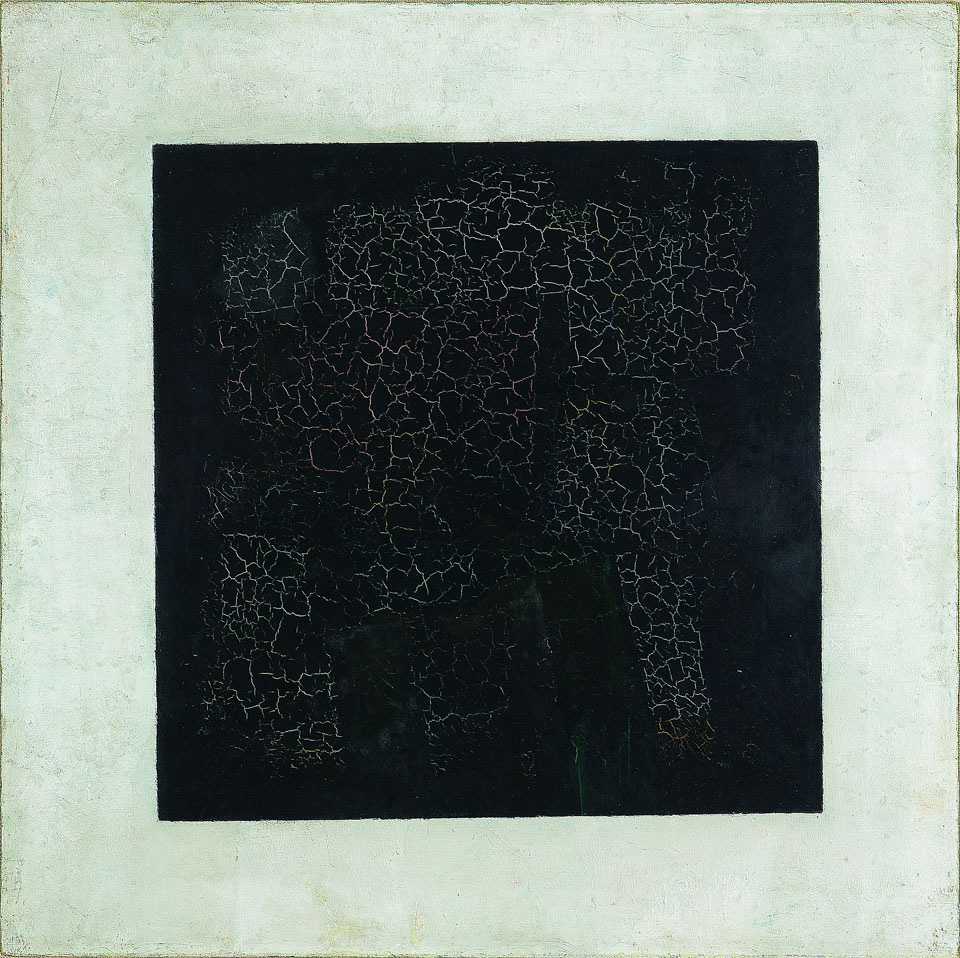
Hadid’s style is quite minimalistic. She was inspired by the work of Kazimir Malevich, an artist who was a pioneer in minimalistic art styles. An example of this would be his Black Square painting – which was a rejection of realistic art. Malevich believed in using simple geometric shapes and colours – this influence can be seen in Zaha Hadid’s buildings.

Kazimir Malevich's Black Square, 1913.

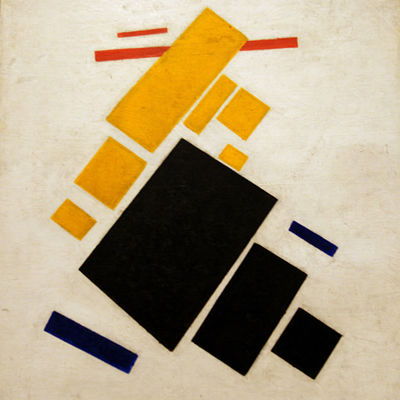
Malevich believed in abstraction and the refinement of elements. In another one of his paintings, he depicts a plane flying, but represents the plane by using simple, geometric shapes to loosely create the form. He also uses a minimal colour palette and uses mostly primary colours placed upon a beige backdrop.  

We can see Malevich’s influence in Zaha Hadid’s work. Hadid takes a minimal approach and uses simple shapes pieced together to create complex-looking and refined outcomes.

Airplane Flying, 1915 by Kasimir Malevich

Zaha Hadid was widely known as ‘queen of the curve’. Curved shapes can be found in lots of her buildings, and were a demonstration of her innovation and engineering heights. Zaha Hadid pushed conventions of modern architecture to create unique buildings. Her company, Zaha Hadid Architects have carried this on, continuing to push boundaries. The use of curves is unusual when compared to most other buildings. The curves feel luxurious and elegant, especially when paired with the large scale of them.

Heydar Aliyev Center

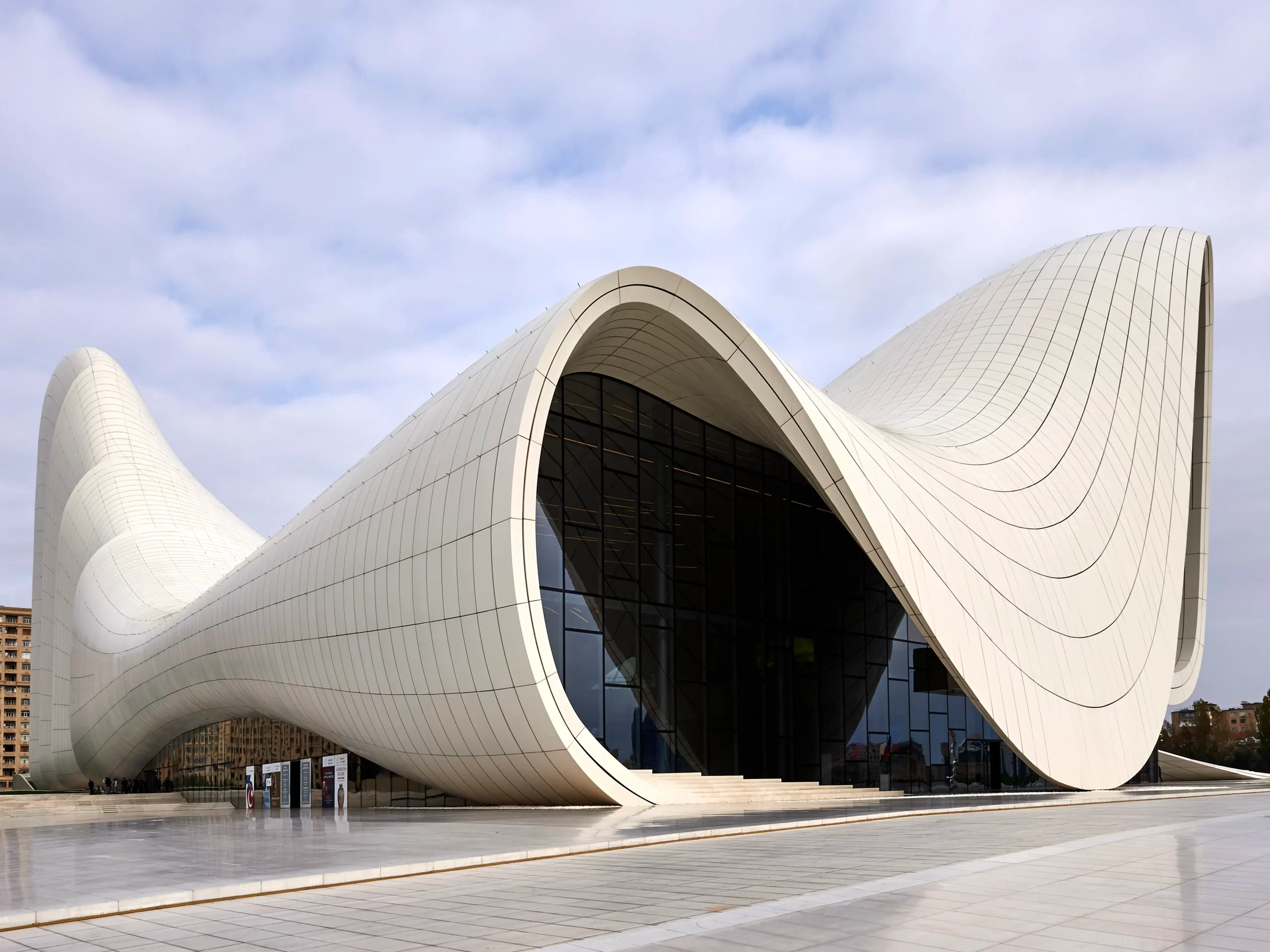
This is the Heydar Aliyev Centre in Baku, Azerbaijan. It was designed by Zaha Hadid and opened in 2007. The building was designed to break away from the rigid, Soviet architecture of Baku and to inspire optimism and freedom (Zaha Hadid Architects, nd).

The building dips and bends, creating a sea-wave look, bending up and down. The building has movement and rhythm, and is very unique. 

It uses simple concrete and glass materials, and is minimalistic in appearance due to the limited colour palette. You can see the Malevich influence through the use of shapes and lines. Lines and tiles are also common in many architectural designs by Zaha Hadid.

Al Janoub Stadium

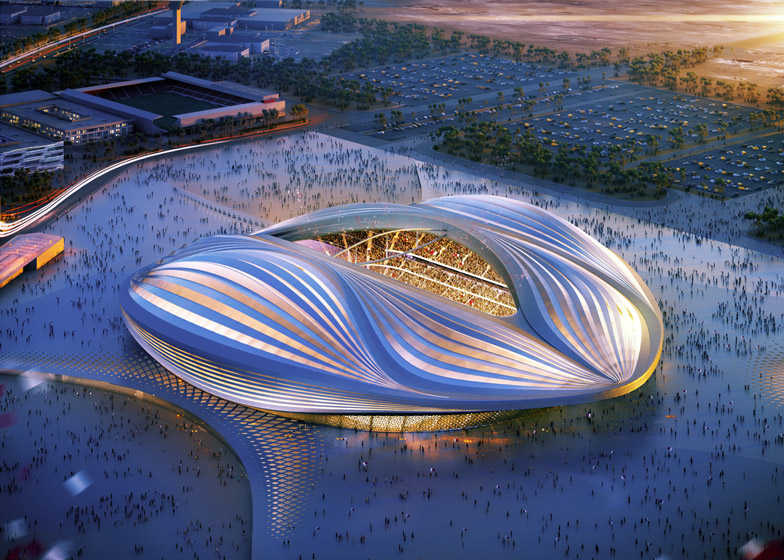
Zaha Hadid also helped create the Al Janoub Stadium in Qatar, which was one of the stadiums used for the 2022 World Cup. The building is perfectly symmetrical  and formed with waving lines which create flow and movement, which looks very organic. The crisp, cool toned white is complimented by the warm lights from within the stadium, which illuminate through gaps in the building. The top of the stadium is meant to look like sails, so the rippled effect creates the appearance of wind blowing. The vented look is probably intentional as it can allow more airflow into the stadium, which is situated in a hot desert climate. The stadium is massive and can hold up to 44,000 people at a time

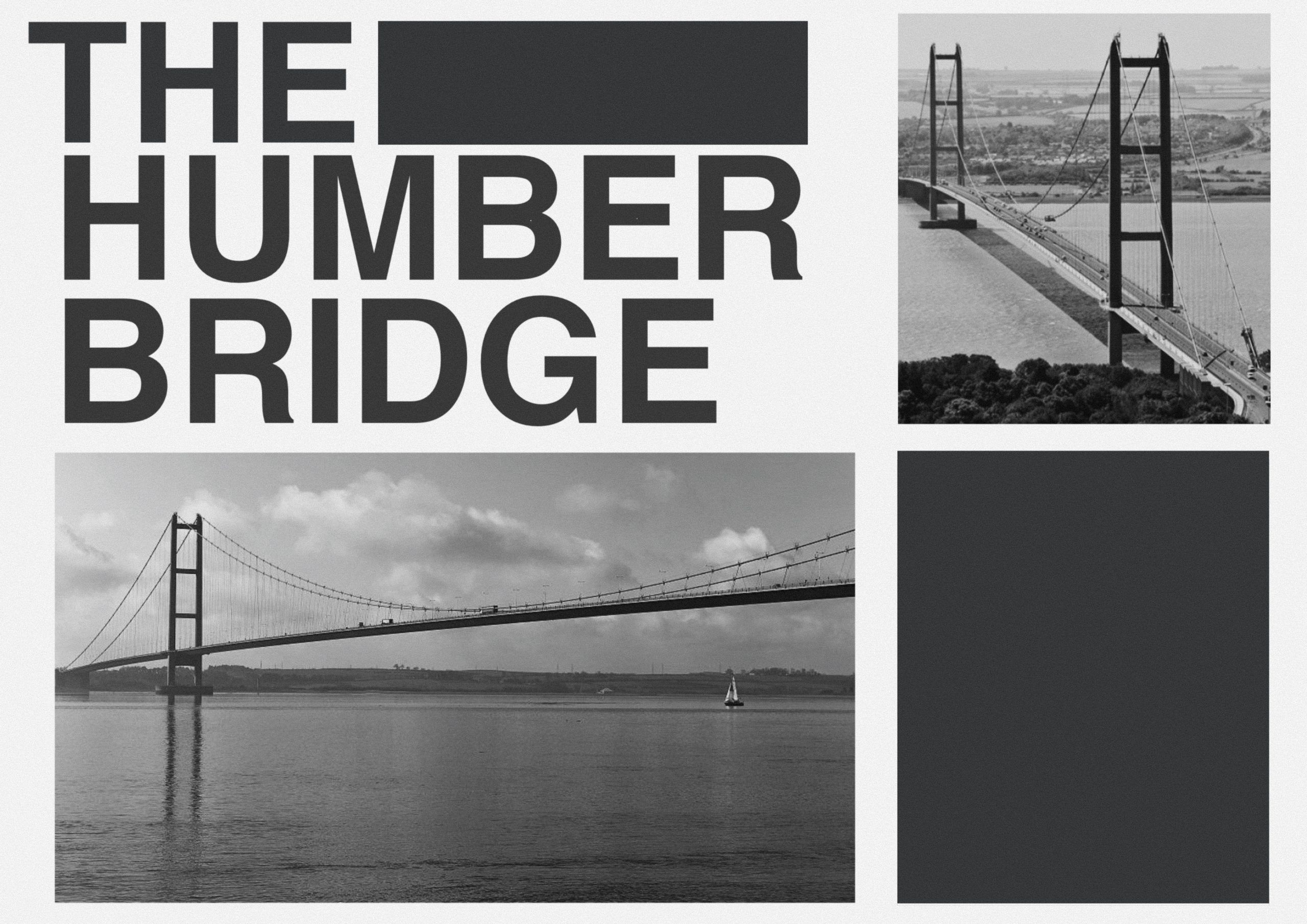
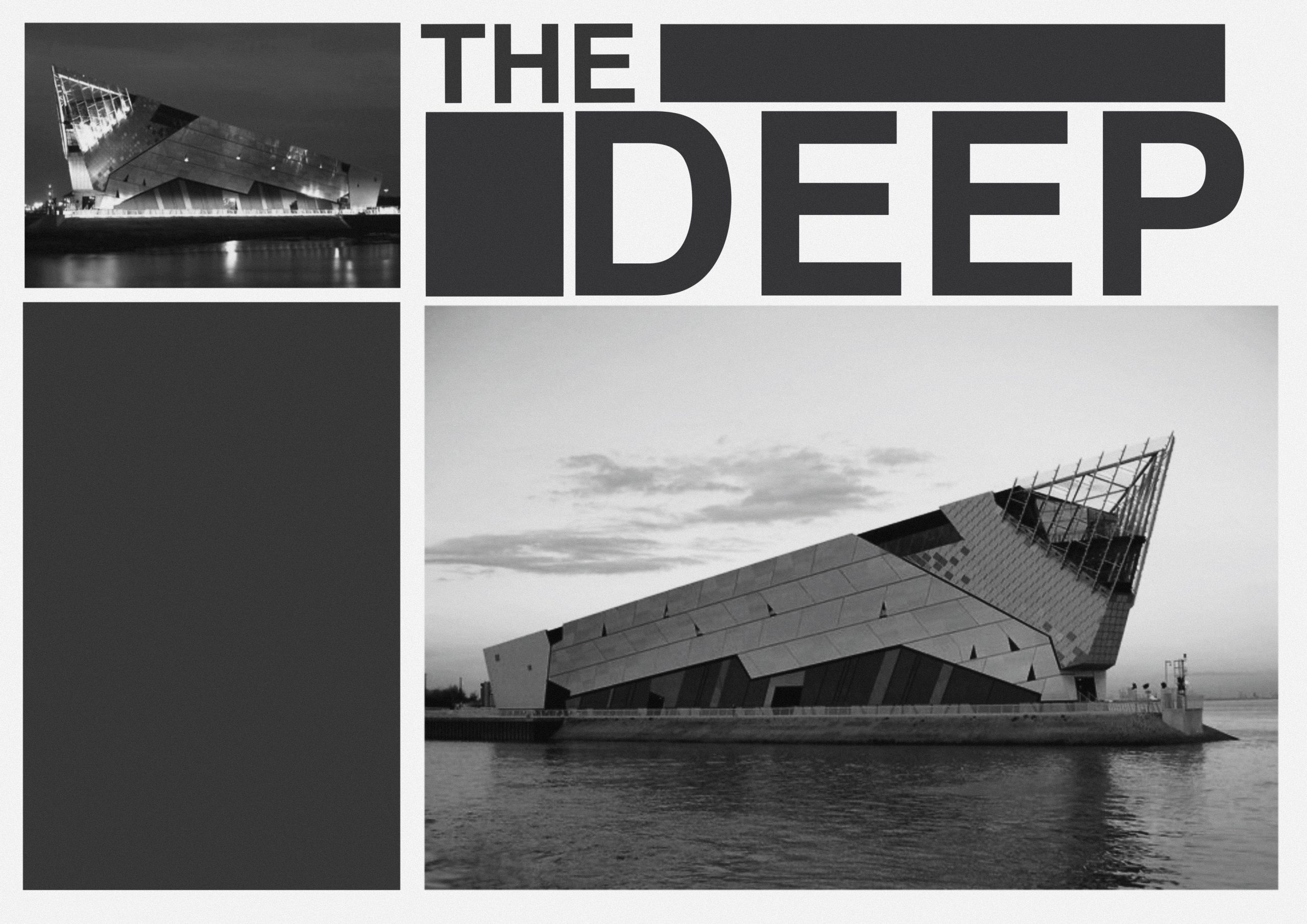
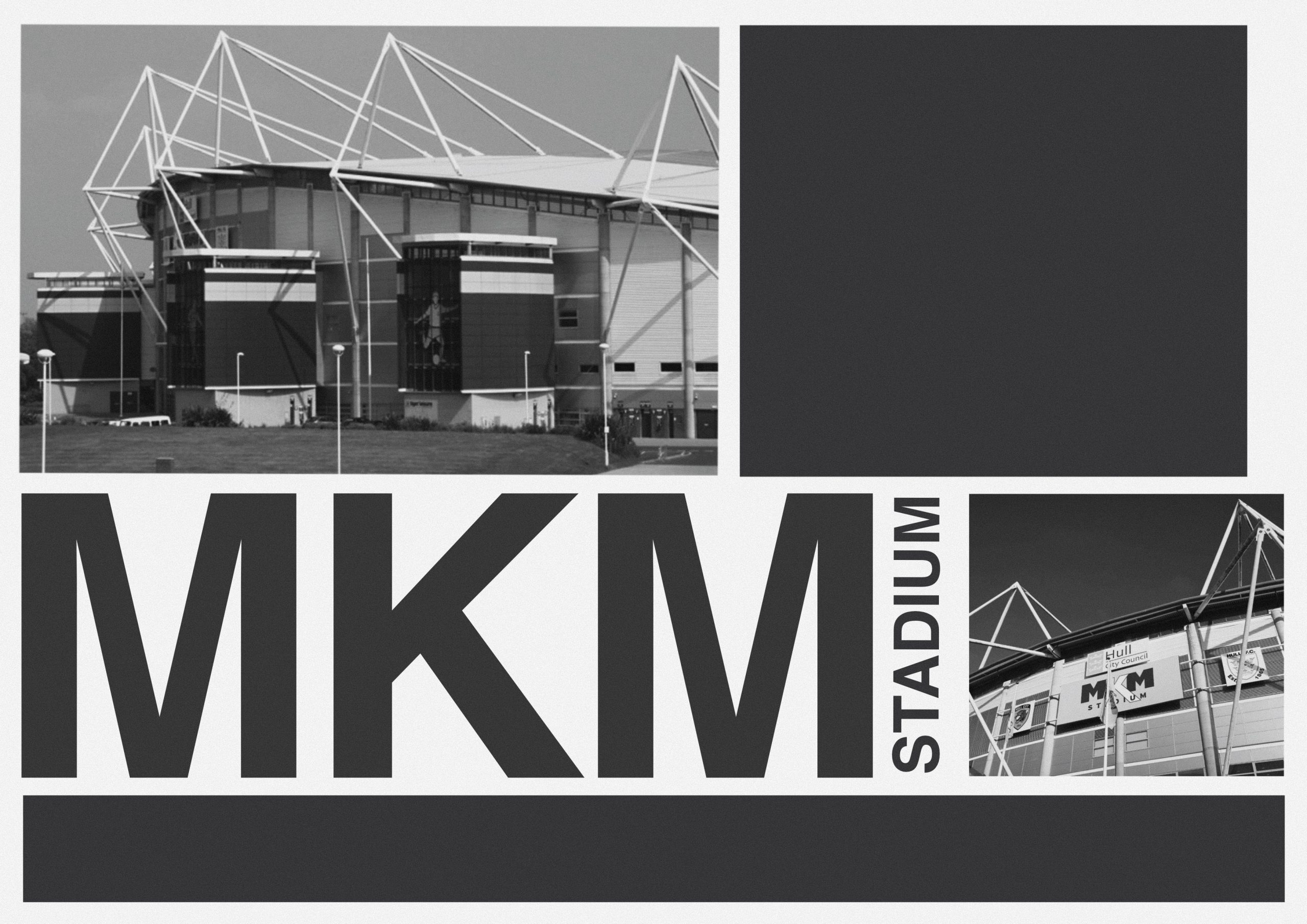
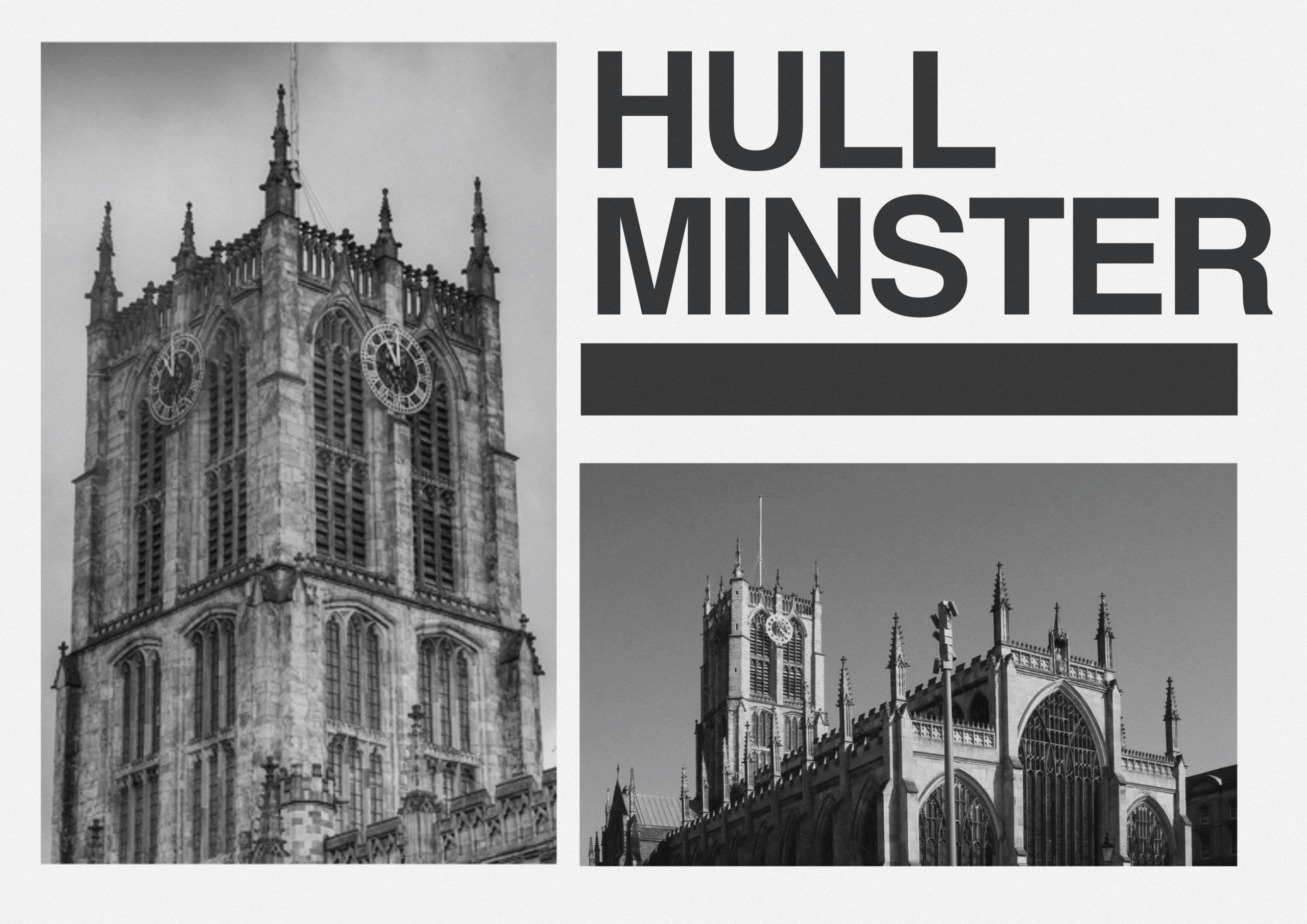
In response to Zaha Hadid’s work, I have produced four posters which show different architectural landmarks around Hull. I chose recognisable areas, such as The Humber Bridge, MKM Stadium, Hull Minster, and The Deep. 


I have also been inspired by minimalistic, geometric layouts of Kazimir Malevich’s paintings, and have applied similar principals to my designs by using blocky shapes to create balance and structure. 


To create these, I used an A4 layout and brought in multiple images of each landmark, displaying them from multiple angles for different perspectives. I cropped into the images too so that I could create size variations and fit the frame better to avoid overpowering elements. I made the images greyscale to create a monochromatic feel, which is mirrored by the text colour, for a more refined minimalist look.

I chose to have one larger ‘focus’ image paired with a smaller ‘accent’ image, and I placed them at opposing sides for balance. I used a sans-serif typeface for the text, which shows the name of the landmark in all caps for some drama. I used sans-serifs as they are clean and minimal, matching my theme. 

In larger, blank spaces, I added boxes to fill the composition and bring in visual weight. These blocks also help to create a more architectural and structured effect. I made the boxes the same colour as the text to continue the monochromatic black and white theme. 

To complete the design, I added a tiny bit of noise for some added textures. I did this because the simple colour scheme was making the design felt quite flat and I wanted to add a little bit of extra depth without disturbing the minimalistic qualities. 

My poster for the Humber Bridge, inspired by minimalistic styles
My poster for The Deep, inspired by minimalistic styles
My poster for MKM stadium inspired by minimalist styles
My poster for Hull Minster inspired by minimalist styles

References:


Avalon (2004) Night Shot at The Deep in Hull (Image). Available online: https://www.alamy.com/night-shot-of-the-deep-in-hull-sammys-point-river-humber-east-yorkshire-united-kingdom-designed-by-sir-terry-farrell-partners-image210339507.html?imageid=3DD9B69F-DD15-4B9D-AC64-2A0E59E5C516&p=718016&pn=1&searchId=e84f1bd26aeb50cf1972522025d1a8c1&searchtype=0 


Dixon, David (2017) The Tower, Hull Minster (Image). Available online: https://www.geograph.org.uk/photo/5456176 [Accessed: 24.04.2023]


Ellis, Paul (2022) Humber Bridge (Image). Available online:https://www.bbc.co.uk/news/uk-england-humber-60306832 [Accessed: 24.04.2023]

Getty Images (2013) Heydar Aliyev Centre [Image]. Available online: https://www.architecturaldigest.com/gallery/zaha-hadid-greatest-works-slideshow [Accessed: 24.04.2023]


Harrop, Phillip (nd). MKM Stadium Exterior (Image). Available online: https://www.football-stadiums.co.uk/grounds/england/the-kc-stadium/ [Accessed: 24.04.2023]


Hull City FC (nd) MKM Stadium (Image). Available online: https://www.wearehullcity.co.uk/news/2021/august/mkm-stadium-fans/ [Accessed: 24.04.2023]


Knight, Steve (2019). Hull Minster (Image). Available online: https://www.flickr.com/photos/kitmasterbloke/48671382663 [Accessed: 24.04.2023]


Malevich, Kazimir (1915) Airplane Flying [Image]. Available online: https://www.theartstory.org/artist/malevich-kasimir/ [Accessed: 24.04.2023]


Malevich, Kazimir (1913) Black Square [Image]. Available online: https://www.tate.org.uk/art/artists/kazimir-malevich-1561/five-ways-look-malevichs-black-square [Accessed: 24.04.2023]


Pankhurt, Phillip (2005) The Deep (Image). Available online: https://en.wikipedia.org/wiki/The_Deep_%28aquarium%29#/media/File:The_Deep,_Kingston_upon_Hull_-_geograph.org.uk_-_660427.jpg [Accessed: 24.04.2023]


Ternovy, Dimitry (2013) Zaha Hadid In Heydar Aliyev Cultural center in Baku nov 2013 [Image]. Available online: https://en.wikipedia.org/wiki/Zaha_Hadid#/media/File:Zaha_Hadid_in_Heydar_Aliyev_Cultural_center_in_Baku_nov_2013.jpg [Accessed: 24.04.2023]


Unknown (nd) Humber Bridge (Image). Available online: https://www.theconstructionindex.co.uk/news/view/spencer-returns-to-humber-bridge-for-hanger-inspections [Accessed: 24.04.2023]


Unknown (nd) Al Janoub Stadium (Image). Available online: https://www.dezeen.com/2013/11/18/zaha-hadid-unveils-design-for-qatar-2022-world-cup-stadium/ [Accessed: 24.04.2023]

Zaha Hadid Architects (nd) Heydar Aliyev Centre [article]. Available online: https://www.zaha-hadid.com/architecture/heydar-aliyev-centre/[Accessed: 24.04.2023]


Zaha Hadid Architects (nd) Zaha Hadid [Image]. Available online: https://www.zaha-hadid.com/people/zaha-hadid/ [Accessed: 24.04.2023]