In week four of emerging technologies, we tested out the VRs and Adobe Aero. In the lesson, we worked in small groups using different applications to make Immersive artwork in the VR headset.
Immersive art can be used in many ways. For example, it could be used in museums, theatre, festivals and marketing or branding campaigns to create enhanced experiences which users will remember and talk about, which makes more people interested in going themselves. VR headsets can make this experience even better. One way that VR headsets can be used in immersive art is through art exhibitions at museums, with TATE’s Modigliani exhibition which recreates the artist’s studio in VR for users to walk around and view his paintings.
“The Modigliani VR: The Ochre Atelier reimagines Modigliani’s final Parisian studio, where he lived and worked in the final months of his life in 1919 and 1920. A previously undocumented space, the artist’s studio has been brought back to life through more than 60 objects, artworks and materials.” (TATE, 2024)
This experience allows visitors to view the studio of the artist and see their work in a realistic setting. The real studio may not be able to be visited anymore, so this experience offers an alternative way for visitors to see it and gives them a deeper look at the artist and his work.
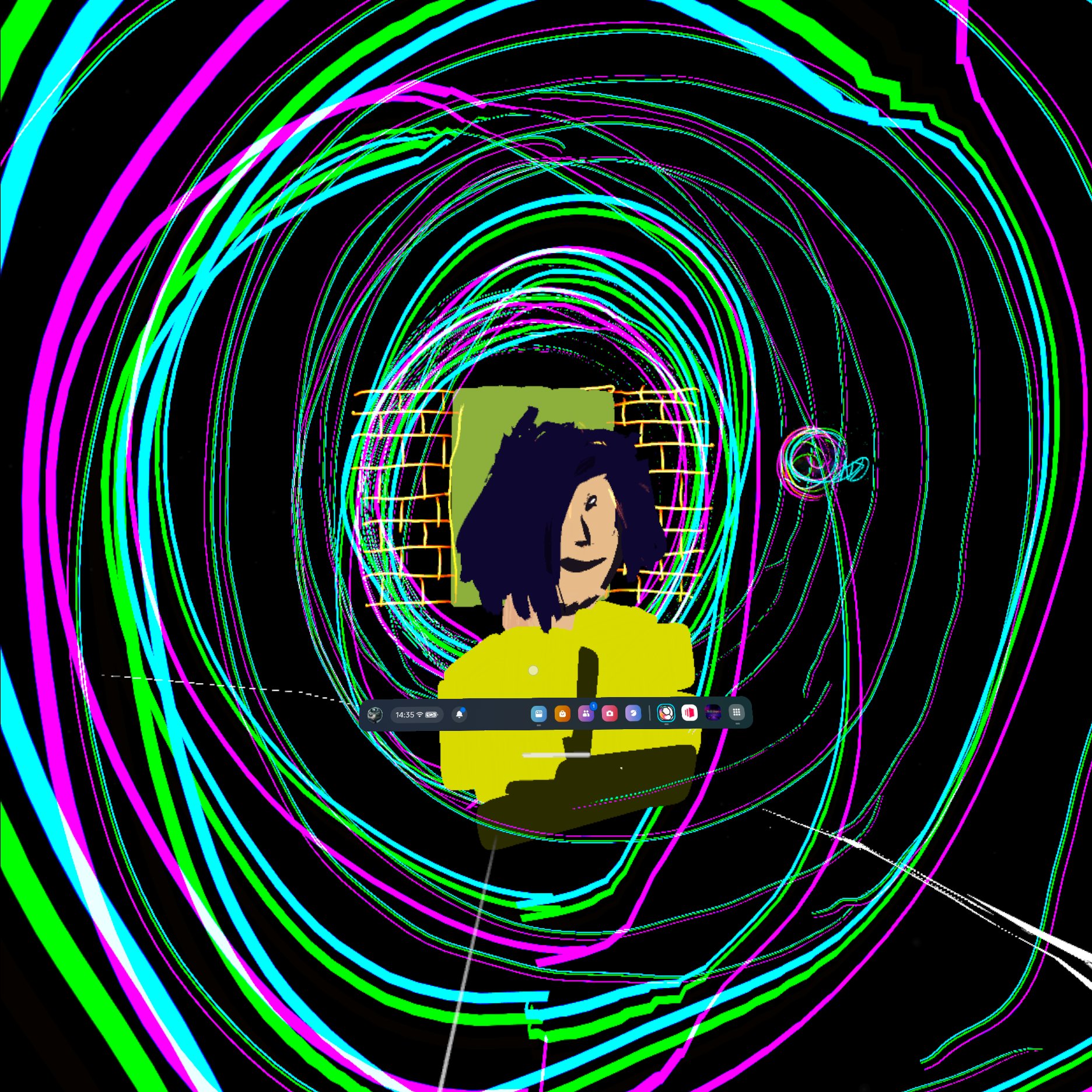
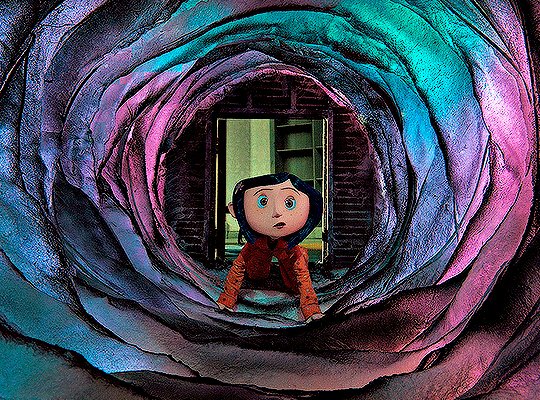
In our groupwork, we used OpenBrush which is an app on the VR which lets you draw in 360. We remade a scene from the Coraline movie where there were lots of circles and a tunnel the main character was looking through. We took this image and made it 3D so the portal filled the 360 space. Everyone took turns and we watched each other by using the iPad to mirror the screen and give feedback to the person drawing.
Coraline diorama
Inspiration image
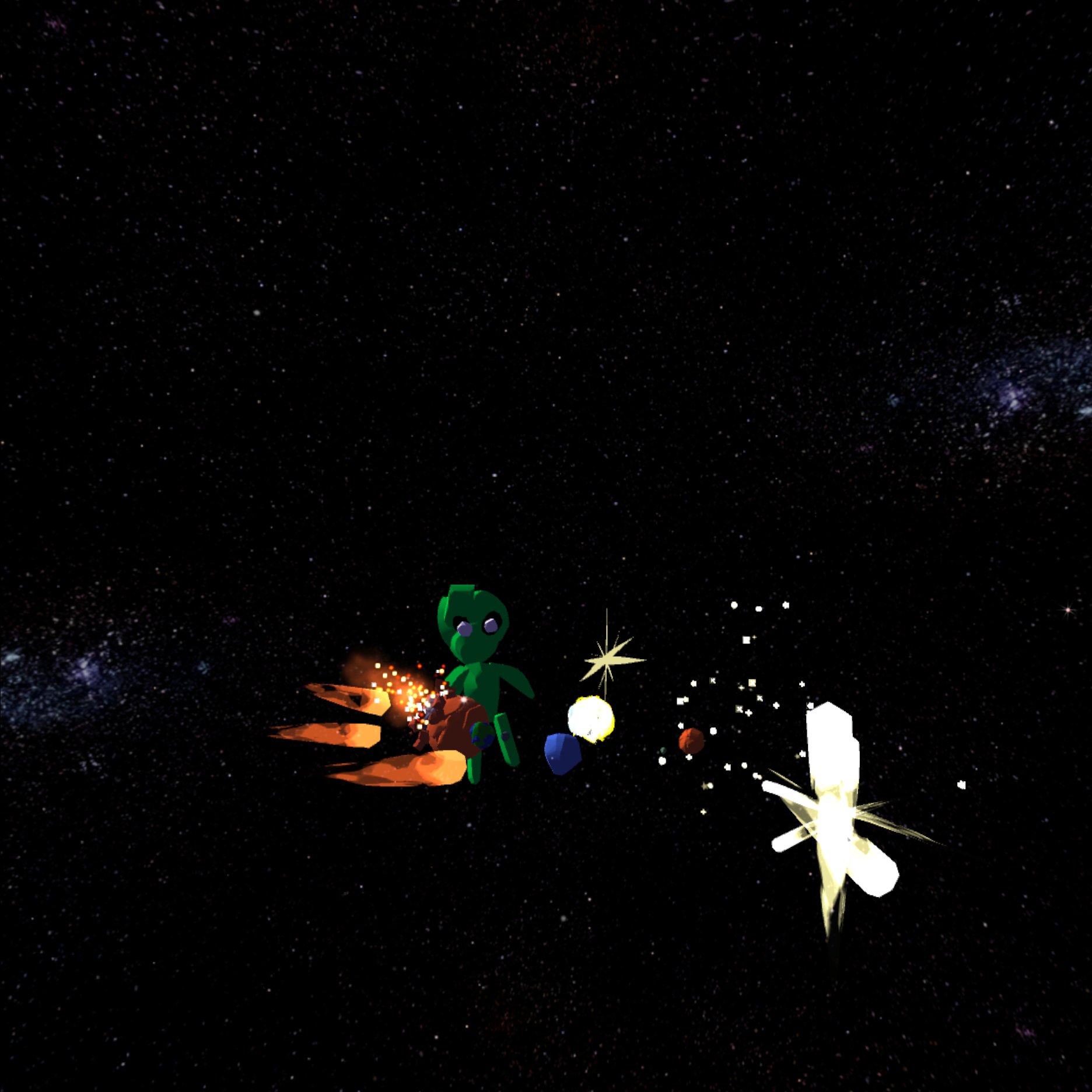
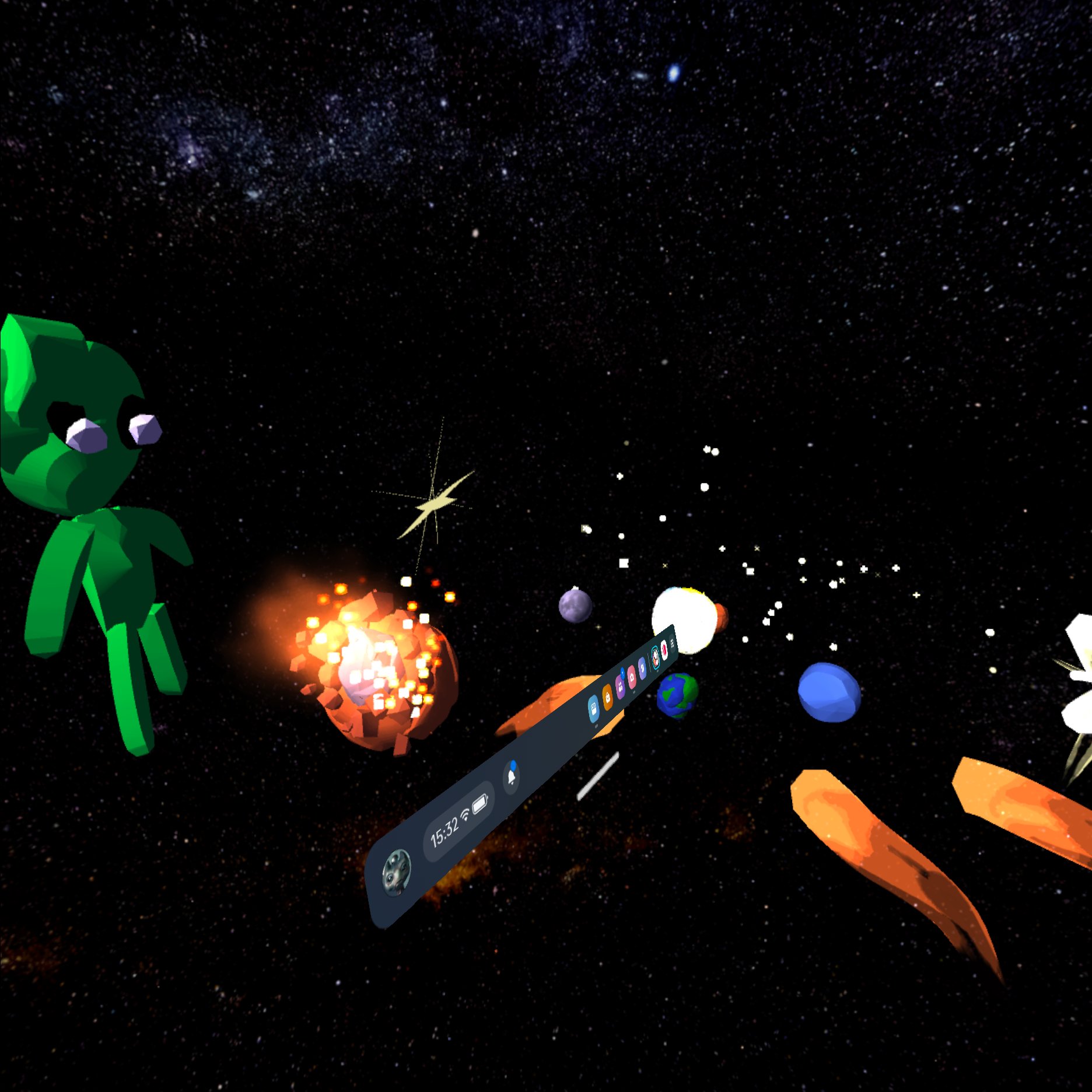
We then made another VR art piece but did a space scene and figured out some new tools such as the stars brush and the 3D brushes which made it easier and quicker to make spheres and other shapes. We again took it in turns but added our own ideas into the scene as we weren’t using any reference images, and we were just giving suggestions to each other and building on what we had all done. This was a better outcome because we had learnt more about how to use OpenBrush tools and the VR controls. If you had more time, you could make a larger scale artwork with more detail and use the tools to create different effects.
Space diorama
Space diorama 2
“Using VR is an intense experience and using it for long periods of time could cause problems like eye strain. There is also a risk of injury while wearing a headset as your child cannot see their surroundings. If the game requires them to move around, they could trip or fall on other items in the room. Because of the way scenes move in VR, some people can feel motion sick when using it.” (NSPCC, ND)
In VR, you have to be mindful of new users because they may feel motion sickness due to the VR confusing their brains. To help fix this, you should start off with minimal movement so the user can get used to the sensation of VR. Another issue could be eye strain from extended use over time. It is important to offer notifications to users after a long period of use to encourage them to take breaks.
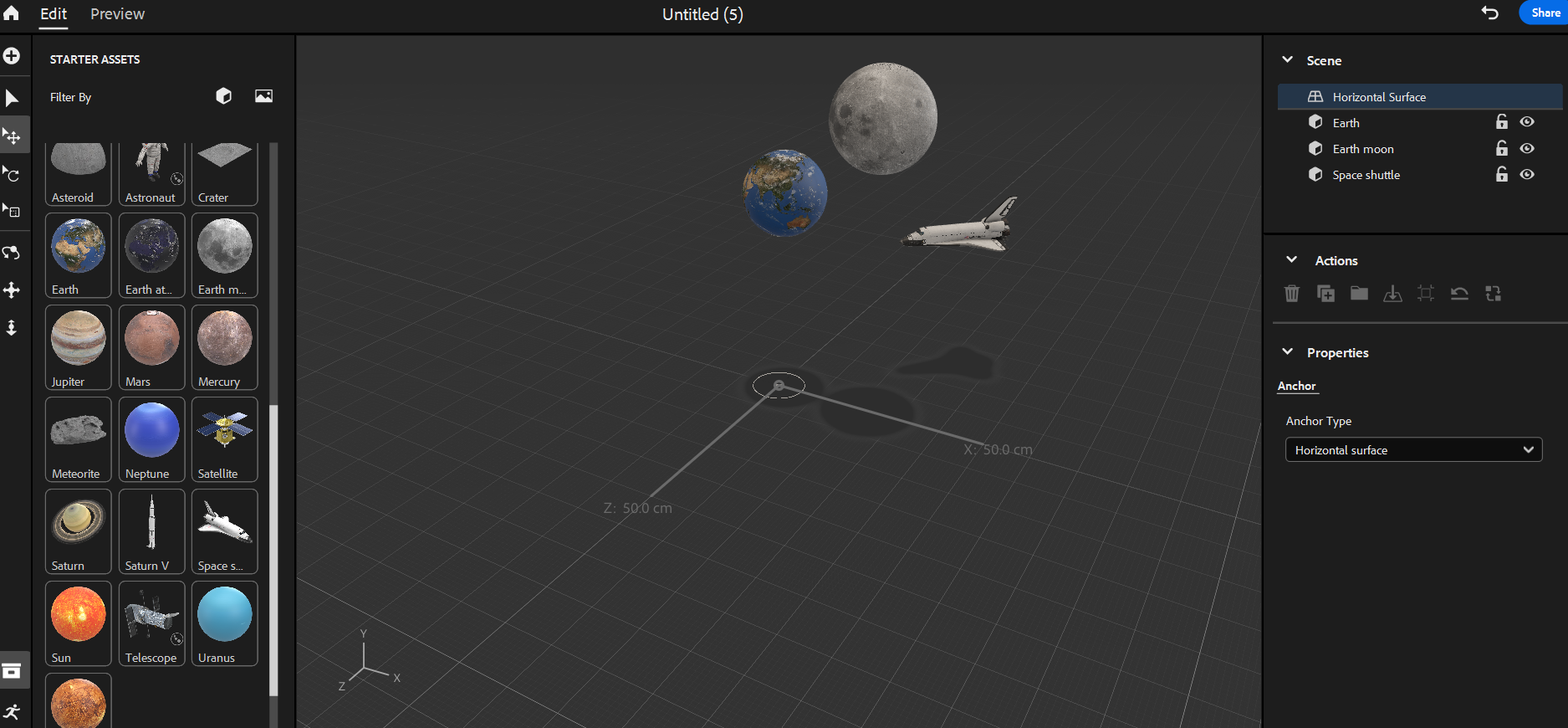
I then tried using Adobe Aero, which is an app for desktop and mobile which lets you create AR experiences. You can do marker-based tracking and even link it to Google Maps, where you can place objects into the real world, which can be viewed through scanning a QR Code and using a web app like Zapworks does. For my Adobe Aero experience, I arranged some planets and a space shuttle together before previewing it in the real world where the app detected planes within the room and projected the models into the real world. This is marker-less tracking and can be used to preview things in the real world to see how they would fit, such as furniture.
“Marker-less AR offers the most control to the user as it allows the user to choose where they would like to place the content. It also allows real-life scale placement of the virtual augmented objects. These AR experiences are highly reliant on smart phone features such as sensors, camera, and processors.” (Digital Promise, nd)
Adobe Aero workspace
References
Digital Promise (nd) Types of AR – Digital Promise [Article]. Available online: Types of AR – Digital Promise [Accessed: 31/10/2024]
Laika LLC (2009) Coraline [Image]. Available online: https://encrypted-tbn3.gstatic.com/images?q=tbn:ANd9GcRDZZZjjXJsVyzSgxAT-QmgCeFVsB8fa6mI3iaBZuWYjoF8Ik3p [Accessed: 17/10/2024]